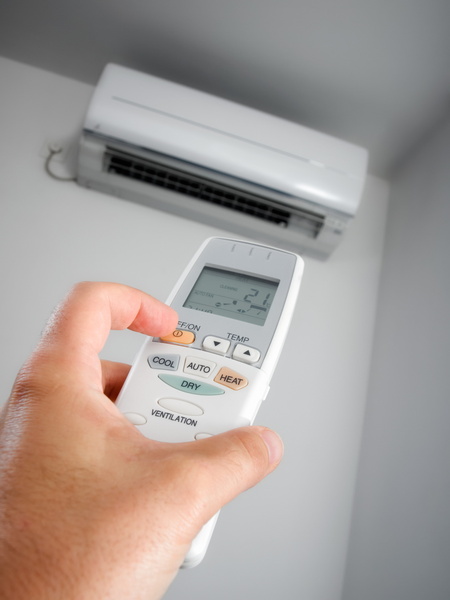
These days, we are all looking for ways to reduce our energy use. But it can be tough to use less energy when it involves keeping your home comfortable. That’s why we want to tell you more about the unique features of ductless mini-split in Minneapolis, MN.
Using a ductless system may seem like a far-fetched idea to you. However, these systems have come a long way and become much more adept at what they can offer. This includes improving energy savings.
If you want to learn more about ductless systems to see if they’re a good fit for you, read on!



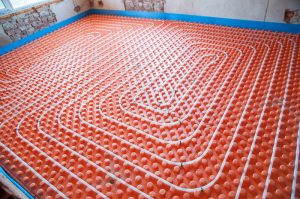 Sometimes, when we suggest “radiant heating” to homeowners upgrading their heating or renovating their home we’re met with some puzzled looks. Radiant heating definitely isn’t as common as other methods of heating, but it’s just as good of an option, if not a great option, for many homeowners. Just because a furnace is a more familiar option doesn’t mean it’s the one you should go with.